The National Environment Management Authority (NEMA), the Accredited Entity to the Green Climate Fund (GCF), is implementing the Upper Athi River Catchment Area (ARCA) project. The project is being implemented jointly by NEMA, Water resources Authority (WRA) and the Kenya Meteorological Department (KMD) as executing entities. ARCA is a climate resilience initiative aimed at enhancing water security and strengthening the adaptive capacity of communities within the Upper Athi River Catchment.
Covering Nairobi, Kiambu, Machakos, and Nyandarua Counties, the project is expected to directly benefit approximately 1.16 million people and indirectly reach an estimated 4.85 million residents within the Athi River Catchment. The region continues to face significant climate-related challenges, including prolonged water stress, recurrent flooding, and an increasing imbalance between water demand and available resources.
The project is set to commence construction and rehabilitation of water infrastructure in Rungiri and Nguirubi boreholes in kikuyu and Limuru sub-counties in Kiambu County respectively as well as the Masai and Itimboni boleholes at Kyumbi in Machakos County. In addition, the project will support the development of water harvesting and storage infrastructure in 56 level 2 and level 3 health facilities across Machakos County.
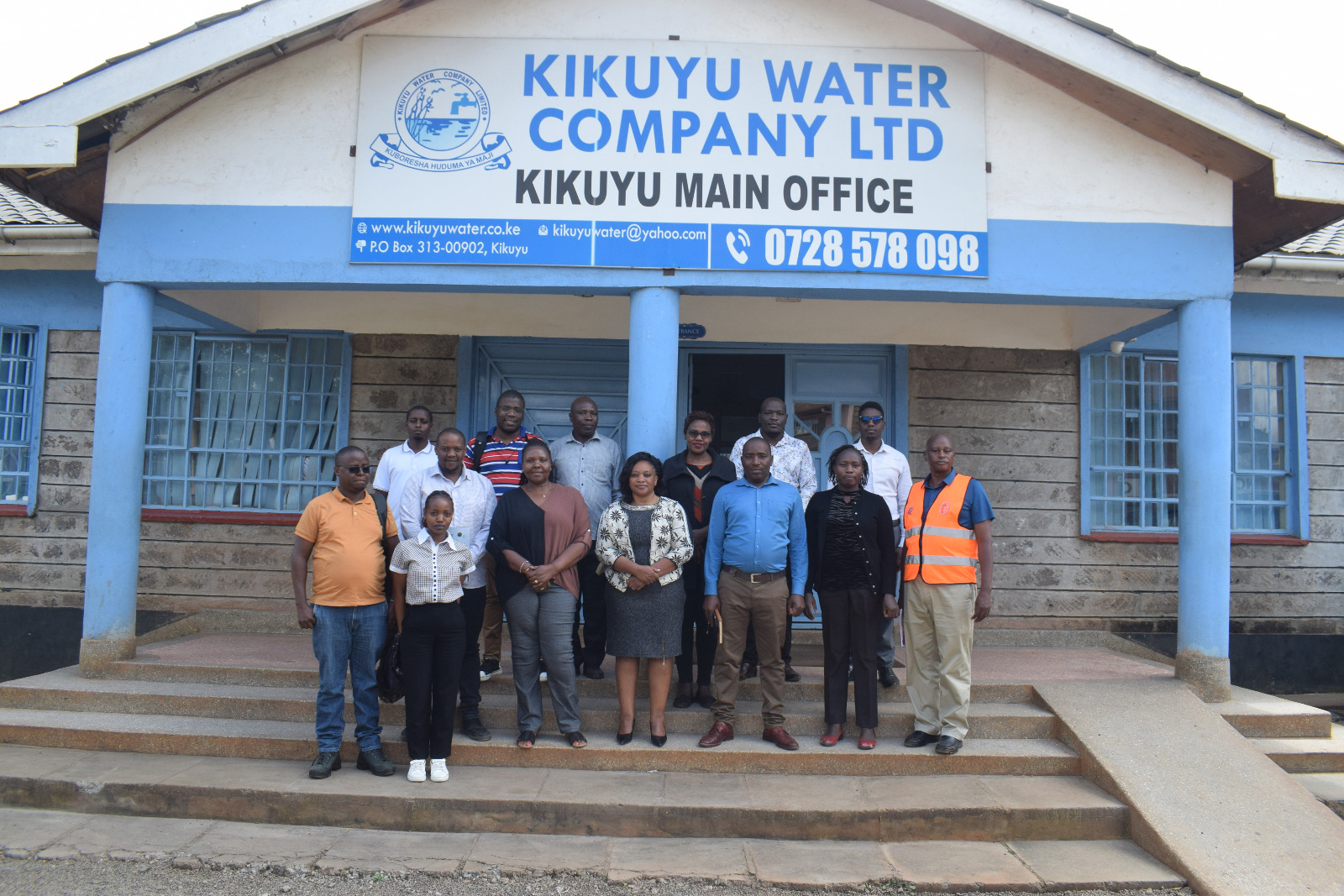
To facilitate effective stakeholder engagement and promote meaningful community participation, NEMA, in collaboration with the County Governments of Kiambu and Machakos and the respective water companies in charge of the various water infrastructure conducted public participation forums and officially introduced the project contractors on 15th to 18th June, 2026. The forums provided an opportunity to engage local communities and stakeholders on the project scope, expected benefits, and implementation arrangements. The events also marked the official handover of project sites to the respective contractors paving the way for the commencement of construction and rehabilitation works.
In Kiambu County, the project will rehabilitate the Nguirubi Borehole located in Thigio Ward, Ndeiya Sub-County. The scope of works includes rehabilitation of the pump house, solarization of the pumping system, landscaping of the site, and replacement of aging distribution pipelines to minimize water losses caused by leakages. The contractor is expected to complete the works within four months.
The borehole currently serves approximately 1,500 households and is projected to connect an additional 1,000 households upon completion of the project. Limuru Water and Sewerage Company Limited will support the operation, maintenance and management of the system to ensure residents have reliable access to clean and safe water.
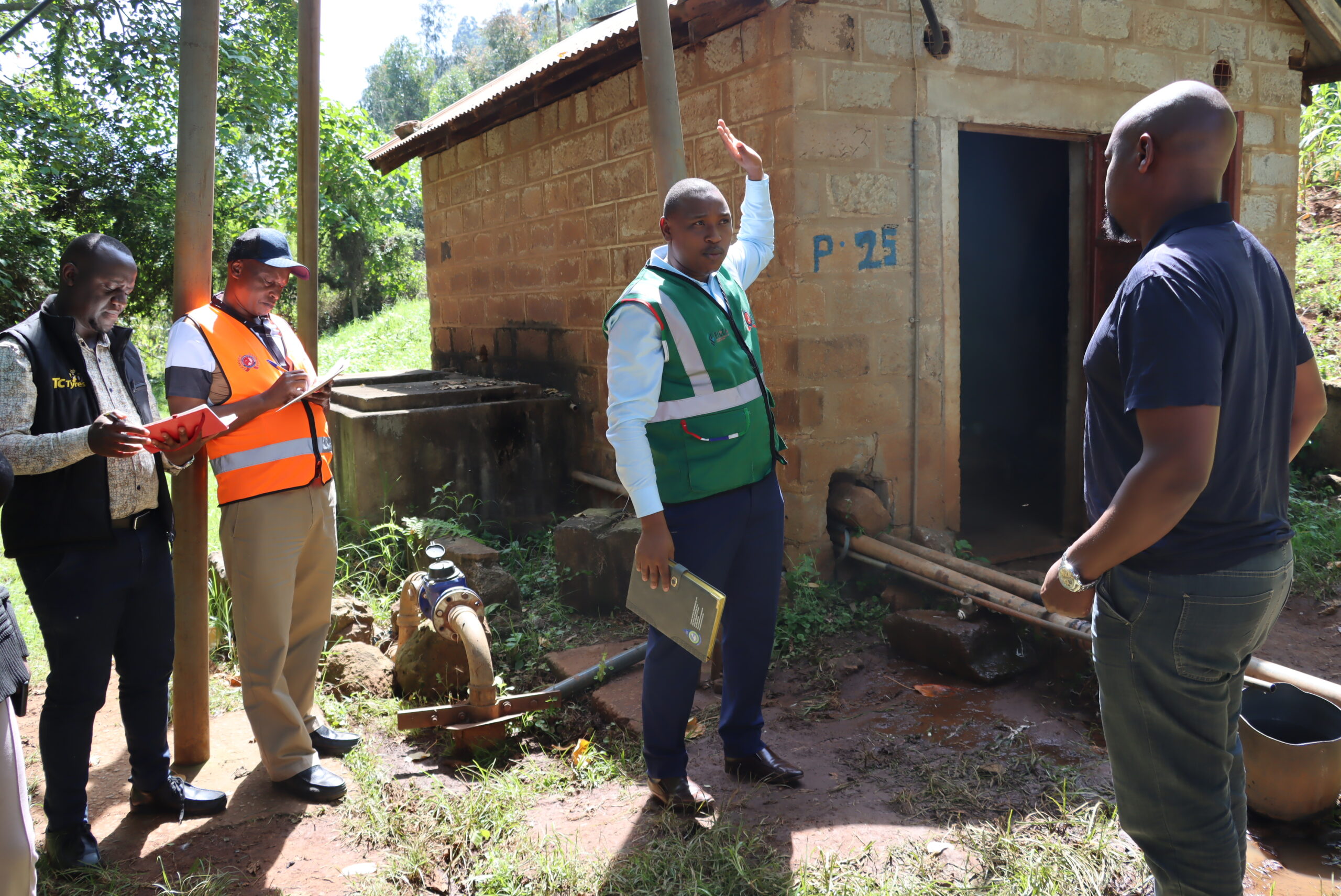
The team inspecting the Nguirubi Borehole in Thigio Ward, Ndeiya Sub-county
In addition, the project will strengthen the local water distribution network at the Rungiri Borehole through installation and rehabilitation of approximately 4.7 kilometers of pipeline. This intervention is expected to significantly improve access to potable water for households within the project area. The Rungiri Borehole will serve communities in Gitaru and Muthiga wards in Kikuyu sub-county, Kiambu County, thereby enhancing water supply reliability and contributing to improved livelihoods and resilence to climate-related water challenges.
During the public participation forums, NEMA representatives outlined the project’s scope, implementation schedule, environmental and social safeguard measures and gender issues expected to be adhered to during the implementation of the project. Community members were also sensitized on the grievance redress mechanisms including the procedures for raising and resolving concerns that may arise during implementation. Stakeholders underscored the importance of inclusivity, emphasizing that the project will be implemented in a manner that promotes equitable participation and benefit for all community members, including women, men, youth, and other vulnerable groups throughout the project cycle.
Speaking during the event, Isaac Ndirangu, the County Water Services Coordinator, from the County Government of Kiambu cited the Constitution of Kenya (2010), emphasizing every citizen’s right to access clean, safe, and affordable water. He noted that rapid population growth, urbanization, and climate change have contributed to increasing water challenges, with changing rainfall patterns affecting water availability compared to previous years. He noted that environmental conservation and protection of the water sources were key for water security and sustainability of the project.
Community members welcomed the project and expressed strong support for its implementation. They noted that the area continued to experience persistent water shortages and rationing over the years and described the initiative as a timely intervention that will improve access to water and enhance livelihoods within the community.
To facilitate smooth project implementation and provide a structured mechanism for addressing concerns, NEMA advised communities within the project areas to establish a Grievance Redress Committee comprising representatives from local administration, the Office of the Sub-County Commissioner, Community Forest Associations, community leadership, and youth representatives, while adhering to the constitutional two-thirds gender principle. The contractor is also expected to establish a project-level Grievance Redress Committee to ensure timely resolution of any project-related concerns as well as adhere to all compliance issues raised by the ESIA report developed for the specific projects including labour laws
The engagement reaffirmed NEMA and its partner’s commitment to sustainable development, environmental conservation, and improved access to essential water services. Through collaborative implementation and active community participation, the ARCA Project is expected to make a significant contribution to climate resilience, water security, and improved livelihoods within the Upper Athi River Catchment.
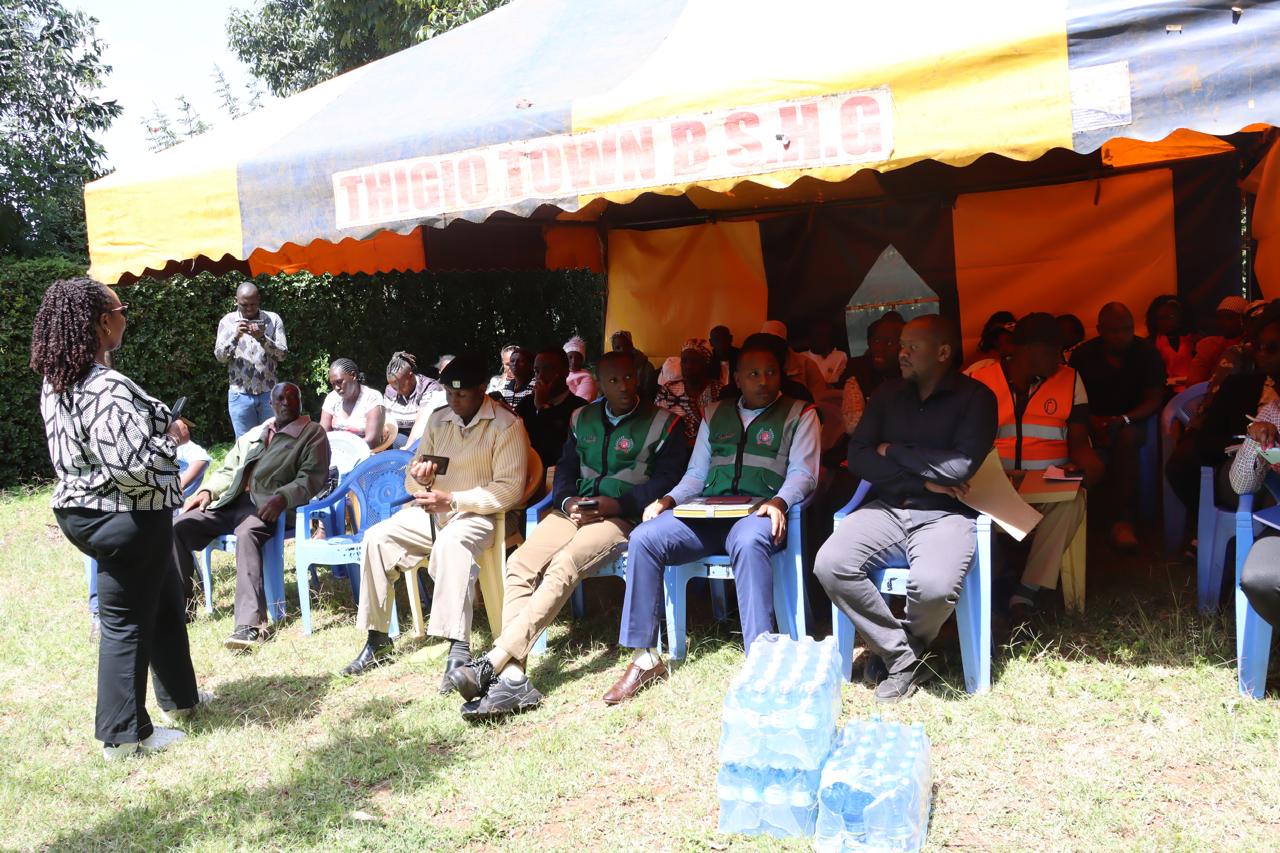
NEMA’s Ann Theuri speaking during the ARCA public forum.
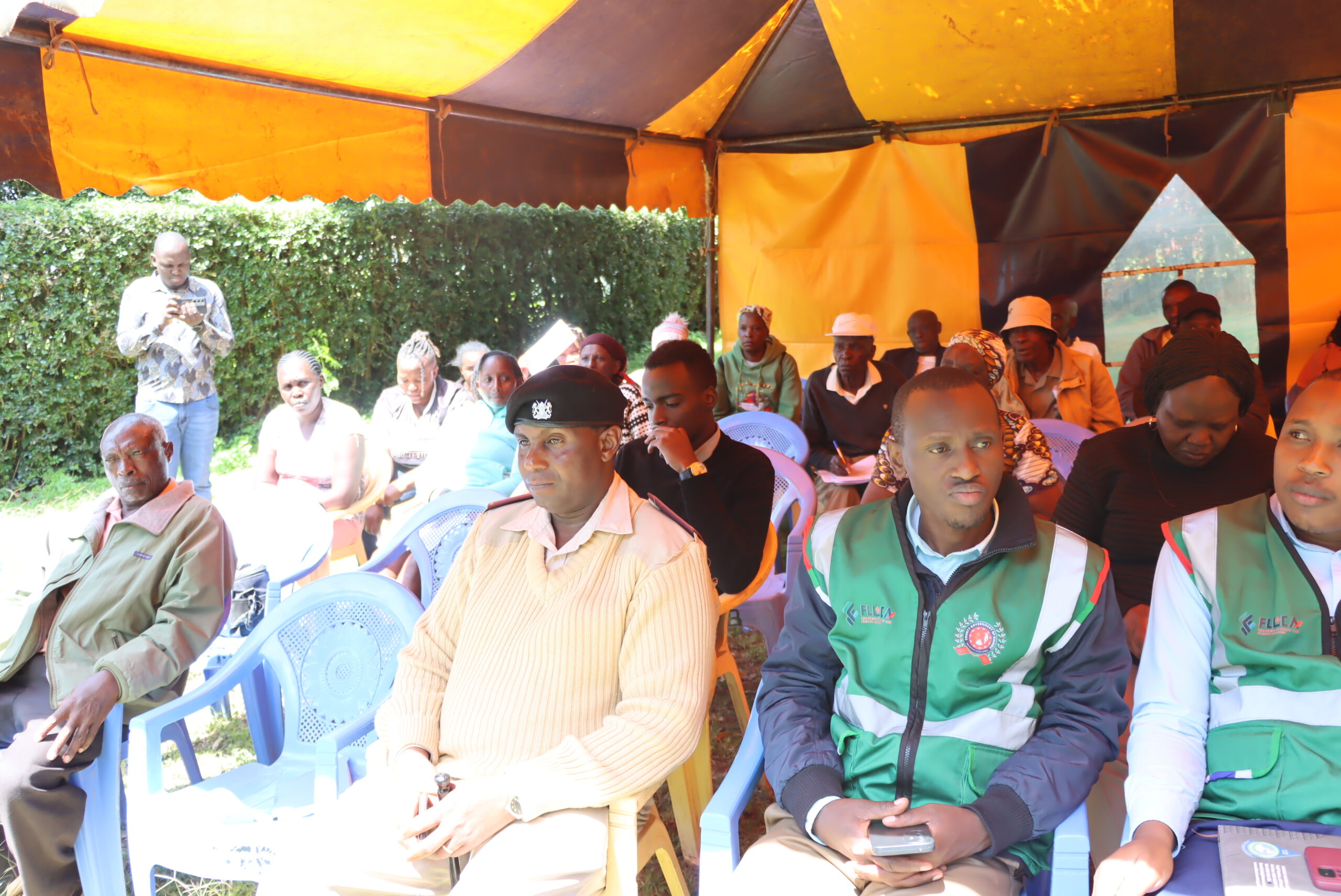
A section of participants during the forum
The story is written by Agnes Kamiri and the ARCA Project Team