OVERVIEW
Antimicrobial resistance is inherited or acquired ability of microorganisms to survive or proliferate at concentrations of an antimicrobial that would otherwise kill or inhibit them. In other words, antimicrobial resistance occurs where the antibiotic medicine cannot kill or stop the growth of a bacteria or any microorganism.
The world faces a significant challenge in combating AMR due to prevalence of resistant strains of bacteria which complicates treatment options and increases the mortality rate. AMR affects human health, animal health and welfare, food security and the ecosystem at large.
- AMR occurs when microorganisms such as bacteria, virus, fungi or parasites become resistant to antibiotics, making infections more difficult to treat and control.
- AMR is recognized as one of the global health concern by WHO and in 2019, there was a significant record of 1.29 million deaths.
- AMR affects human health, animal health and welfare, food security and the ecosystem at large.
- The main drivers of antimicrobial resistance include the misuse and overuse of antibiotics, poor regulation of antibiotic use, limited access to health care and a high burden of infectious diseases.
- Antimicrobial resistance can lead to longer illness, prolonged hospital stays, higher treatment cost, treatment failure and increased risk of death.
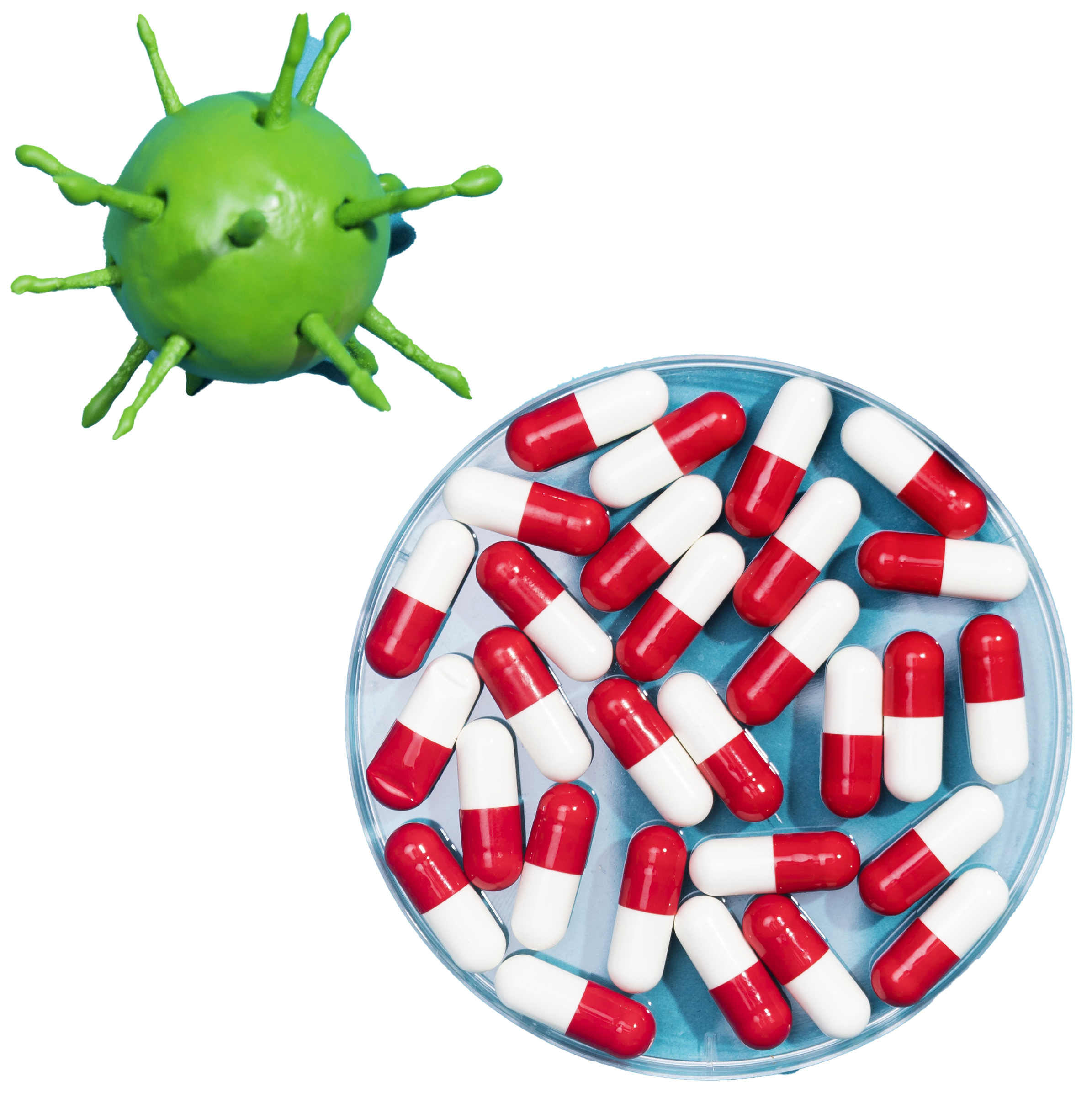
What are some of the causes of antibacterial resistance?
- Poor sanitation and hygiene
- Improper disposal of medicine
- Overuse and misuse of antibiotics
- Poor regulation of medicine use
- Untreated or poorly treated waste from hospitals and industries
- Animal waste from farms-manure from livestock treated with antibiotics can carry resistant bacteria into the environment when used as fertilizers.
- Contaminated water source
Global action plan [GAP]
Global action plan on antimicrobial resistance AMR, was endorsed by 2015 resolutions adopted by the World Health Assembly, the Food and Agriculture Organization( FAO) conference and the World Organization for Animal (WOAH).In the wake of this pledge, nations committed to creating and adopting National Plans ( NAPs) that are in line with the GAP and are taking into account their national and regional priorities for the prevention, monitoring and control of AMR.
The use of NAP led to some success such as;
- Establishment and strengthening of enhancement of AMR monitoring
- Strengthening county and district-level governance and coordination mechanisms
- Better surveillance of AMR
- Higher funding for research and development
- Increased awareness and knowledge on AMR
- Establishment of antimicrobial stewardship programmes
- Improved infection prevention and control
The national AMR surveillance during NAP 1.0 implementation period provided evidence of the high levels of AMR within the human and animal health sectors. Some of the challenges faced include;
- Inadequate diagnostic capacity for detecting and monitoring AMR
- Limited human resources with the necessary expertise
- Insufficient funding and resource mobilization
- Weak or inadequate enabling legislation and regulatory frameworks
- Limited multisectorial coordination and collaboration
NAP 2.0 in Kenya was formed due to the lessons learnt from implementing NAP 1.0 and evidence lessons on AMR from other parts of the world. The focus of NAP 2.0 will be to mobilize resources and strengthen multisectorial coordination mechanism across all sectors and levels while raising the visibility of AMR as a national agenda .Successful implementation of the plan requires strong Government commitment and collaborative actions across the sectors and partners.